Introduction
Commercial aquaponics projects usually fail or stall at interfaces: a shipment arrives before the floor, drainage or power is ready; a greenhouse layout leaves no service access; a control panel does not match local voltage; an equipment list omits the fittings needed at installation. These are planning problems, not just equipment problems.
This checklist helps farm developers, distributors, schools and greenhouse operators prepare an aquaponics project before manufacturing and shipment. It is intentionally practical. It does not substitute for local structural, electrical, food-safety or regulatory advice, and it does not make yield, cost or ROI promises. Its purpose is to reduce avoidable ambiguity between buyer, supplier, installer and site contractor.
Commercial aquaponics integrates recirculating aquaculture and hydroponics, so fish, plants, water treatment and greenhouse conditions must be planned together. FAO’s aquaponics guidance notes the broad range of vegetables and herbs that can be produced, while the actual choice must fit local climate, market and operating capability.
Phase 1: Confirm the Project Objective
Define what “success” means
Before selecting tanks or grow beds, document whether the project is intended for commercial produce sales, a school laboratory, research, a visitor-facing demonstration, a community food project or a staged investment. These goals lead to different priorities:
- Commercial farms may prioritize crop workflow, hygiene, climate control, packing and reliability.
- Education projects may prioritize visibility, safe access, modularity and teaching value.
- Research installations may prioritize sensor access, isolation capability and experimental repeatability.
- Community projects may prioritize simplified operation, training and locally available maintenance support.
The goal should lead to a short design brief covering crops, fish species, seasonal operation, harvest targets, footprint, country, budget band and project timing. This brief is more useful than a request for “the best system.”
Check local feasibility early
Confirm land or building use, greenhouse permissions, water source, electrical availability, drainage, discharge requirements, food-handling rules, fish movement rules and worker safety obligations. These are location-specific. A factory can supply engineered equipment, but it cannot assume responsibility for local permitting without a written agreement and local knowledge.
Phase 2: Assess the Site
Measure the usable footprint
Provide the supplier with length, width, clear height, columns, doors, floor level changes and a simple marked plan. Include room for walkways, maintenance access, harvest handling, feed storage, water-test area, pump/filter service access and safe unloading. A tight layout that cannot be cleaned or repaired is not a commercial layout.
Map water, power and drainage
Water source quality matters. Source water can contain chlorine, chloramine, salinity or other characteristics that affect fish, bacteria and plants. Oklahoma State University advises testing water and notes that municipal chlorine or chloramine can be harmful to aquatic organisms unless treated appropriately. Read the extension guidance. Have water tested locally and agree on any pretreatment before stocking.
For power, specify voltage, phase, frequency, plug or hard-wiring standard, cable routing and available load. Identify what stays live during an outage and what backup power or emergency aeration plan is required. For drainage, show floor falls, drains, sump location, overflow path, cleaning-water route and permitted disposal arrangements.
Review climate interfaces
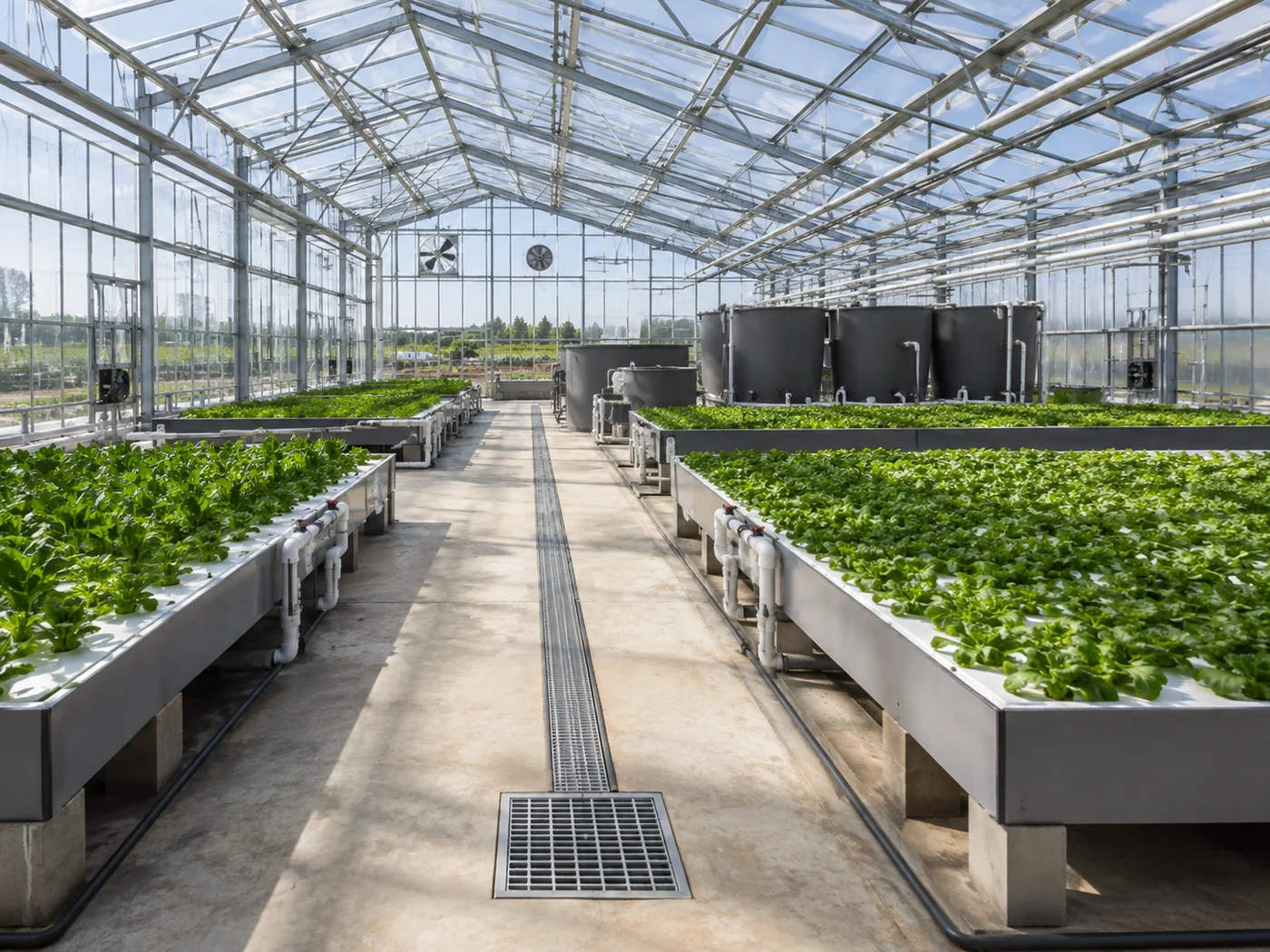
The greenhouse envelope affects water temperature, crop conditions, condensation and energy demand. State expected outdoor temperature range, sunlight, ventilation approach, shade system, heating, cooling, dehumidification, insulation and lighting. The equipment scope must state whether these systems are included, supplied by others or excluded.
Mid-article CTA — Request a Site-Readiness Checklist
Send a site plan, photos, country, available power standard and intended crops. YAFAN can return a pre-RFQ checklist that helps identify missing installation inputs. Contact our team for a site-readiness review.
Phase 3: Convert Requirements Into an Equipment Scope
Demand a process-flow diagram
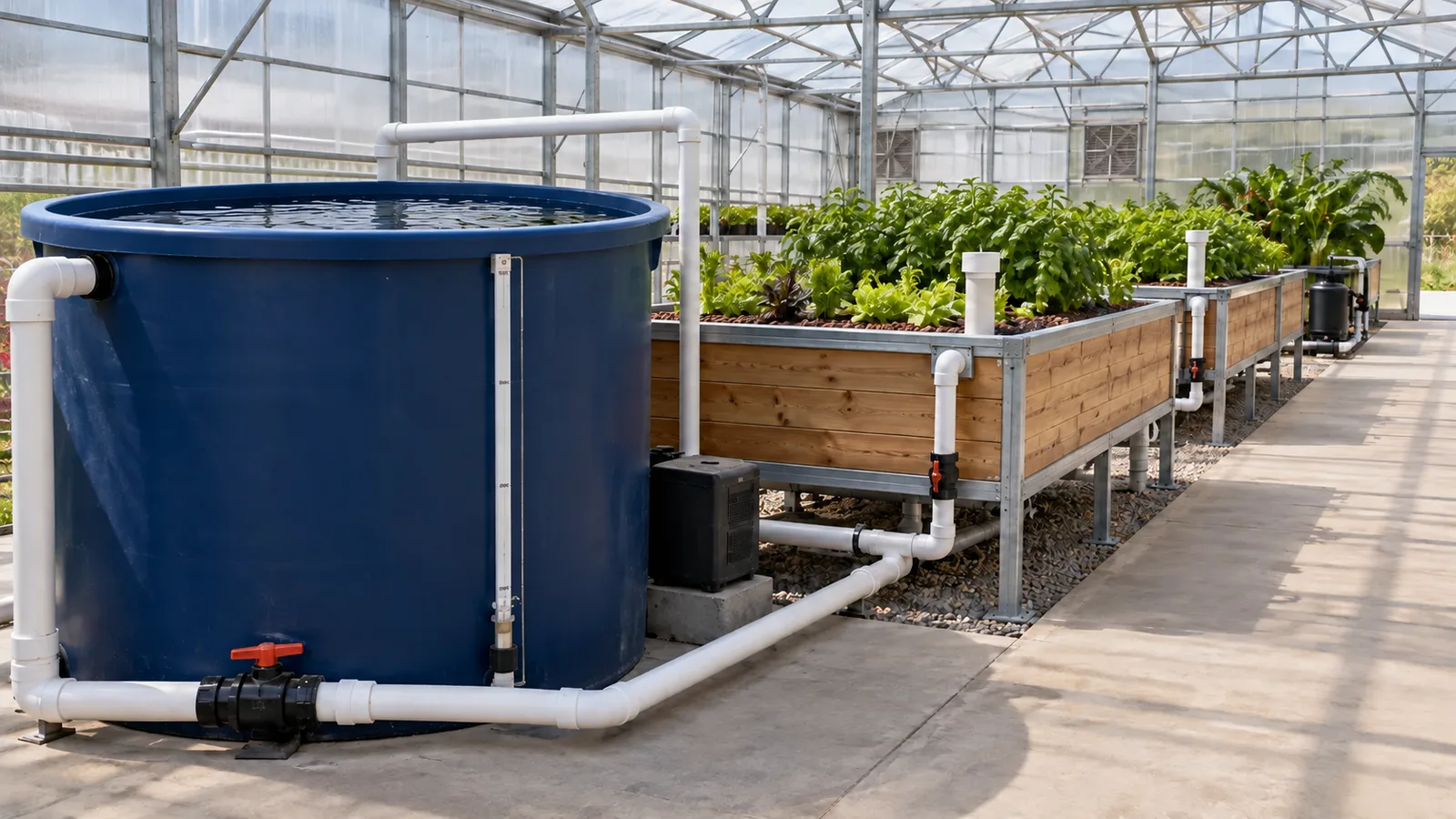
A process-flow diagram is one of the highest-value documents in an aquaponics RFQ. It should label fish tanks, solids removal, biofilter, sump, pumps, air distribution, grow beds or rafts, valves, drains, make-up water and overflow. It should make clear what is supplied and where the site contractor connects services.
The U.S. EPA business-plan guide summarizes the familiar components: fish tank, settling basin, biofilter, hydroponic growing area and recirculating system. Its guide is useful for early planning. A real project diagram must add site-specific instrumentation, access and safety requirements.
Specify materials and compatibility
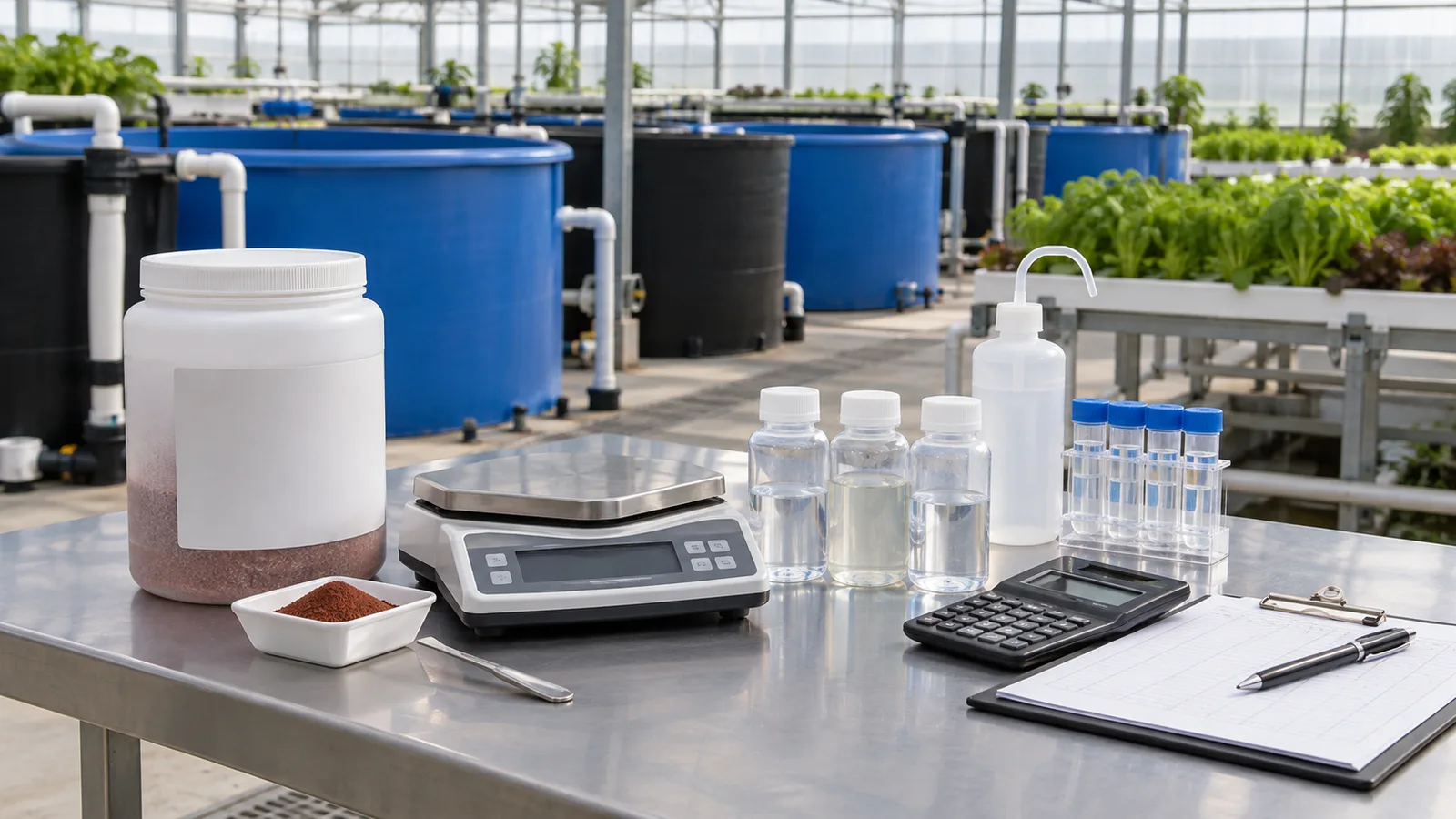
Ask for tank, frame, grow-bed, pipe and fitting materials; pump and air equipment models; control-panel standard; sensor scope; valves; fasteners; and any consumables included. If the destination has a specific electrical or food-contact requirement, identify it before production. Confirm whether the quotation includes installation tools, spare seals, sample water-test supplies, replacement media or only the main equipment.
Write exclusions in plain language
Strong quotations clearly identify exclusions: greenhouse structure, concrete, local pipe connections, electrical feed, permits, import duties, cranes, forklifts, accommodation, installation labour, biological stock, feed, seeds, local water treatment and travel. Exclusions are not necessarily problems; hidden exclusions are.
Phase 4: Plan Factory Testing and Shipment Inspection
What factory testing can verify
Before an export shipment, a factory test or pre-shipment inspection can confirm practical items such as component model numbers, assembled frame fit, valve operation, panel labelling, accessory count and visible finish. It may also confirm that a demonstration water loop circulates where a full test is feasible. Agree the acceptance scope in advance and keep photos, video or signed records tied to the order.
Factory testing should be described accurately. It cannot prove a complete overseas installation, biological cycling, local water suitability or future crop performance. Those activities occur at the project site under the final operating conditions.
Shipment inspection checklist
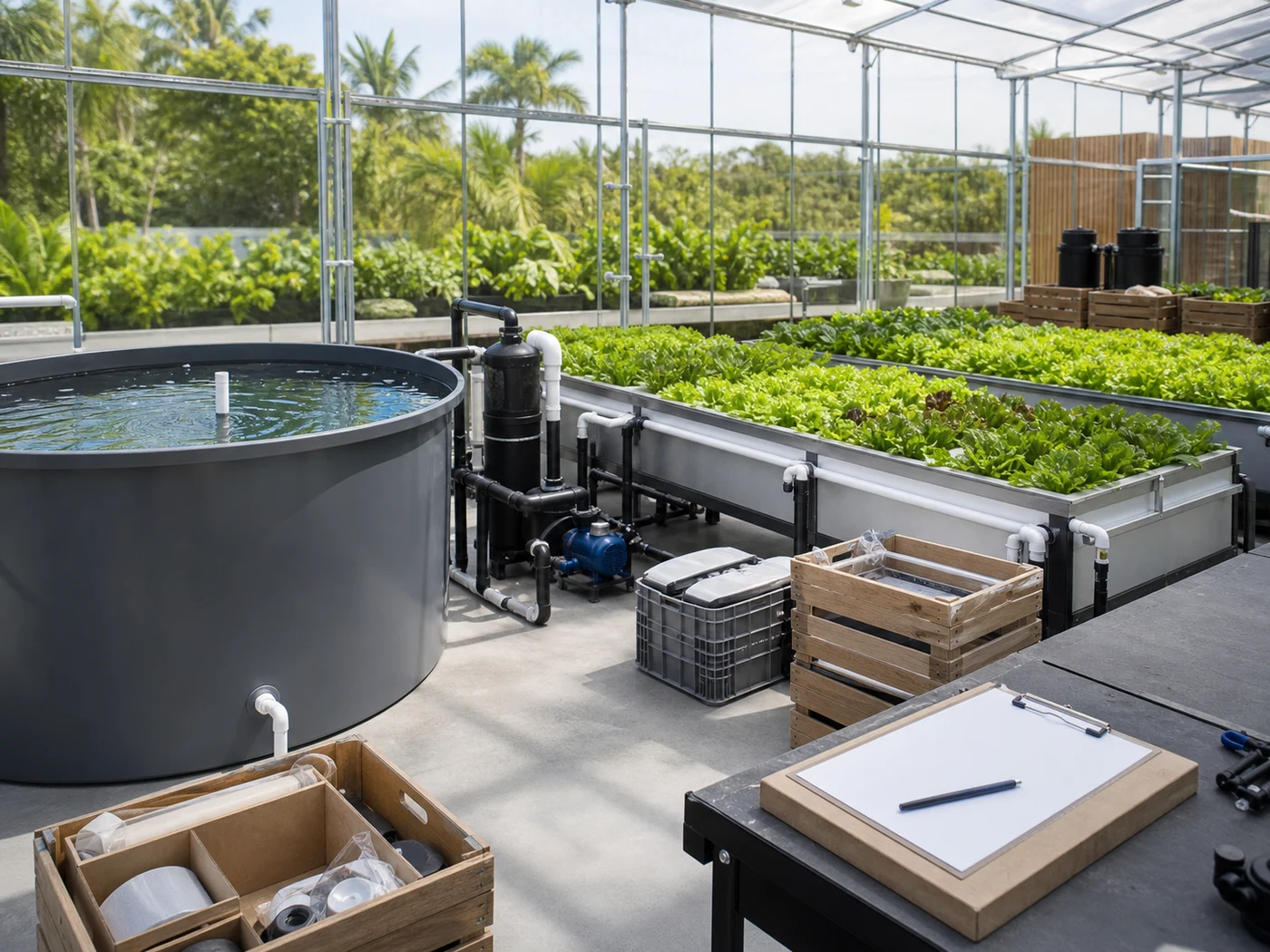
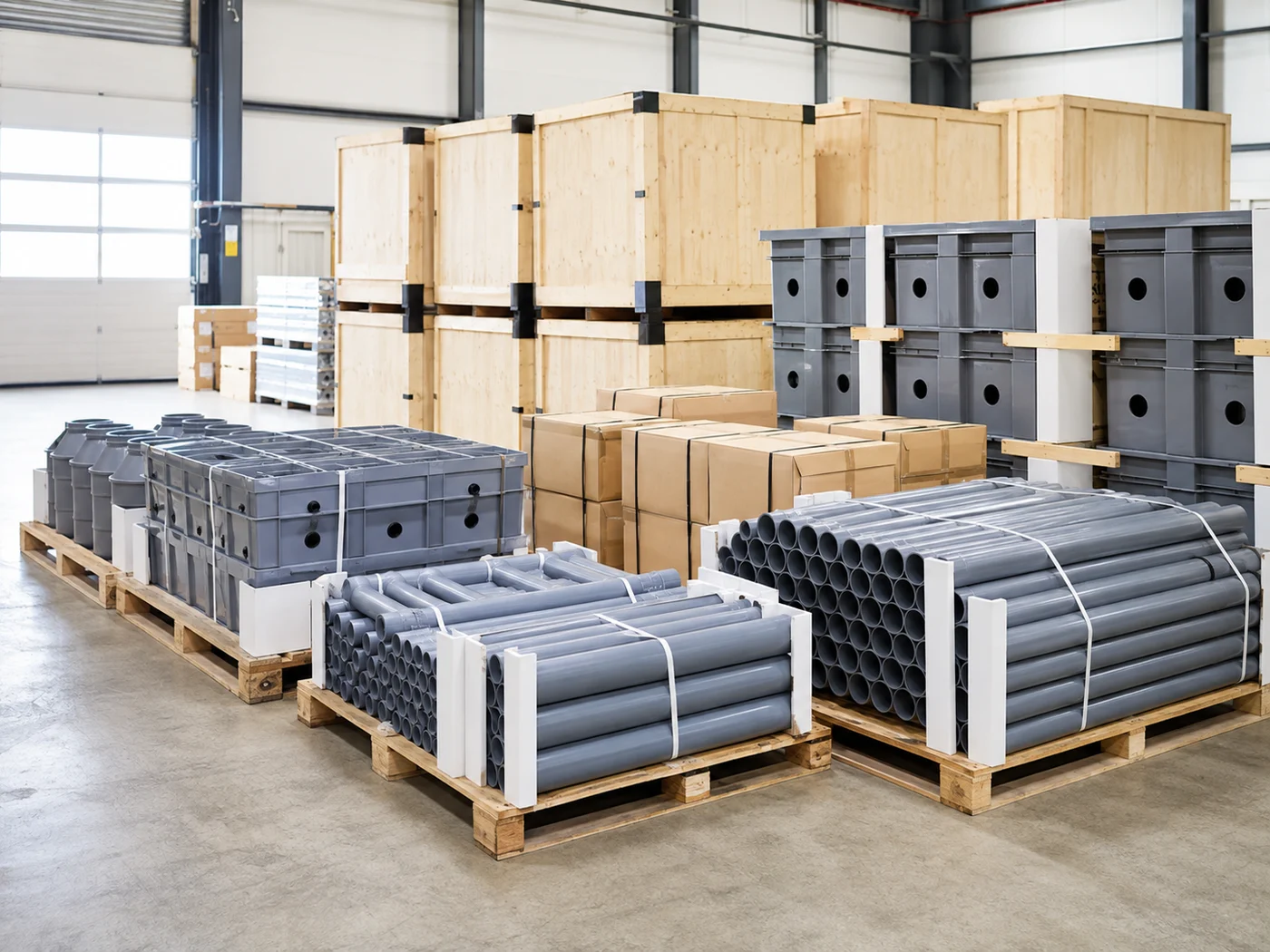
Before loading, check the packing list against cartons, pallets and loose packages. Photograph labels and package condition; verify key equipment model numbers; protect fragile controls; label pipe and fitting packages; and include drawings, manuals and a spare-parts record. For containerized shipments, plan loading sequence so heavy frames and tanks are secured and small accessories remain traceable at destination.
This documentation is especially helpful for international buyers who need to coordinate customs, a local installer and an internal receiving team. It also makes it easier to report a shortage quickly and factually.
Phase 5: Prepare Installation and Commissioning
Install in a controlled sequence
A typical sequence is: verify site readiness; unload and count packages; position tanks and frames; assemble grow areas; install pipes and valves; connect pumps and aeration; complete electrical work by qualified personnel; test dry safety functions; fill and leak-test; establish circulation; verify aeration; condition source water; then follow the biological start-up plan before introducing full stock.
The exact order changes by design. The important point is to use the supplier’s layout and manuals, record changes, and avoid rushing fish or plants into an unverified water loop.
Assign responsibilities
Name the person responsible for receiving, site preparation, mechanical installation, electrical connection, water testing, fish stocking, plant planting, daily monitoring and supplier communication. A handover is more reliable when the operating team participates in commissioning rather than receiving a completed system without training.
Build an operating record from day one
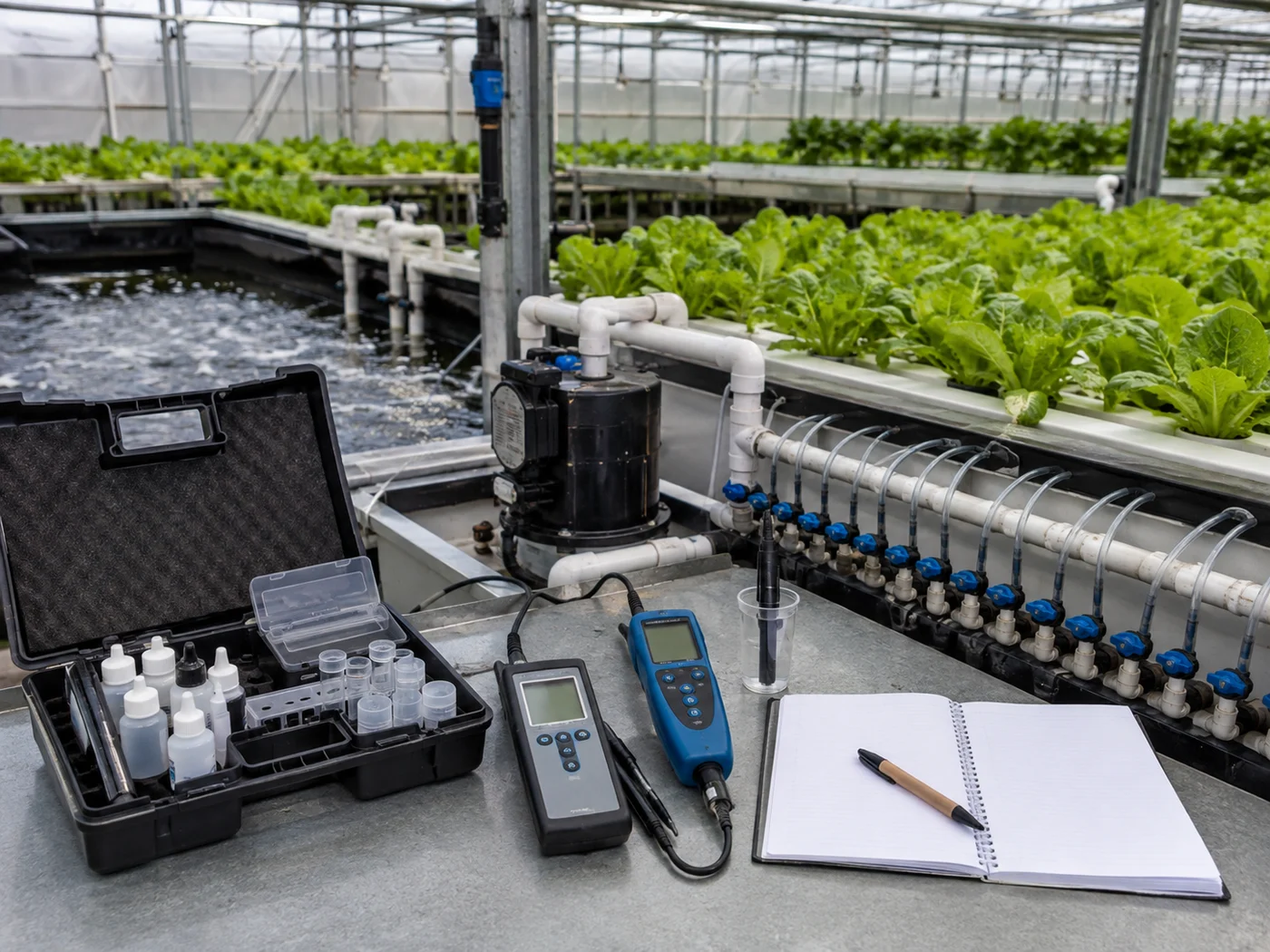
Set up daily or weekly logs for water temperature, dissolved oxygen, pH, ammonia, nitrite, nitrate, fish feeding, mortalities, crop observations, maintenance, alarms and corrective action. The required frequency and thresholds should be set by species, system design and local technical advice. What matters for the buyer is that a routine exists before the first production cycle.
Phase 6: Create a Delivery and Handover Pack
The handover pack is the bridge between a factory shipment and a working facility. It should be prepared before loading, shared digitally with the buyer and checked again when equipment reaches the destination. The objective is traceability: the receiving team should know what each package contains, how it is installed and whom to contact if something appears to be missing.
Essential documents
Ask for a final equipment list showing quantity, description and, where appropriate, model number. Match it to the packing list and package marks. Include a layout drawing, process-flow diagram, installation sequence, electrical connection information, operating manual, maintenance plan, spare-parts list and warranty contact. If technical documentation is supplied in English, confirm that labels and diagrams use the same naming convention as the packing list.
For a project with controls or sensors, include a basic I/O or alarm list: what the device measures, what the alarm means, who receives it, and what a safe first response looks like. These records should not be treated as a complete operating manual for fish health, but they make the control equipment easier to hand over responsibly.
Receiving inspection at destination
The site team should inspect packages promptly after delivery. Compare cartons, pallets and loose equipment to the packing list; record visible damage before unpacking; photograph labels; and separate small fittings, electrical parts and documents into a secure location. Do not discard packaging or mix unlabelled hardware before missing items are resolved. If an issue is found, report the order number, package mark, photos, quantity and description rather than a general statement that “parts are missing.”
Make installation status visible
Use an installation tracker that identifies each equipment zone: fish tanks, filtration, grow area, pumps, air system, controls, plumbing, drains and safety items. Mark whether the zone is delivered, positioned, assembled, connected, leak-tested, electrically verified, operating or awaiting a site dependency. This is especially useful when the buyer, local contractor and remote supplier are in different countries and time zones.
Train for routine work and abnormal events
Handover training should cover normal start-up, shut-down, valve positions, pump and aeration checks, cleaning access, water-test routine, alarm response, safe isolation and communication procedure. Make room for abnormal scenarios: power interruption, low dissolved oxygen alert, leak, blocked line, unexpected water-quality reading or delivery of replacement parts. The correct response depends on the specific design and species; the team should use its final operating plan and local expert guidance.
How to Use This Checklist During a Supplier Review
Bring the checklist into supplier meetings rather than treating it as an internal-only document. Ask the supplier to mark each line as included, buyer-provided, optional, not applicable or requires local confirmation. This makes the proposal easier to approve because practical dependencies are visible before the final payment stage.
A supplier that provides useful detail is not necessarily more expensive; it is making the boundary of responsibility visible. For export projects, that visibility can prevent a costly pause at the destination site. It also gives sales teams the information they need to recommend the correct product configuration instead of offering a generic system image.
Common Planning Errors—and How to Prevent Them
“The equipment fits, so the site is ready.”
Physical fit is only one condition. Check drainage, service clearance, power, water, unloading route, climate interface and operator access. Mark each item on a readiness checklist and assign an owner.
“Turnkey” means every site task is included.
It often does not. Use written inclusions and exclusions. Ask who provides foundations, local electrical work, greenhouse systems, local permits, commissioning and training.
Quoting before defining crops and fish
The fish and crop plan influences filtration, grow method, climate requirements, plant support, monitoring and operations. A quote can be preliminary, but its assumptions must be visible.
Treating photos as a substitute for documents
Photos can demonstrate factory activity or product application, but drawings, bill of materials, test record, packing list and manual define what was ordered. Ask for both.
FAQ
What should I prepare before an aquaponics system arrives?
Prepare a level accessible site, drainage, confirmed water and electrical connections, unloading equipment, storage for packages, the installation team, safety provisions and the supplier’s latest layout and packing list.
Does the supplier need my country’s power standard?
Yes. Provide voltage, phase, frequency and connection requirements before electrical equipment is produced. Clarify who makes final local electrical connections.
What is included in pre-shipment inspection?
Agree it in writing. It may include quantities, model numbers, assembly fit, labels, visible condition, accessories, packing marks and documents. It does not replace on-site testing and commissioning.
When can fish and plants be added?
Only after the physical system is installed, leak-tested, operating safely and biologically prepared according to the selected species and technical plan. Do not rush stock into a new system simply to meet an equipment delivery date.
Conclusion
Good aquaponics projects are planned at the site interface: water, power, drainage, greenhouse conditions, service access, unloading, documents and responsibilities. A well-specified system is easier to manufacture, ship, install and operate because each party knows what it owns.
Final CTA — Send Your Aquaponics Greenhouse Requirements
Share your site photos or plan, available utilities, country, crop and fish goals, and planned start date. YAFAN can help structure the equipment inquiry and installation-preparation checklist. Contact our team to begin the project conversation.