
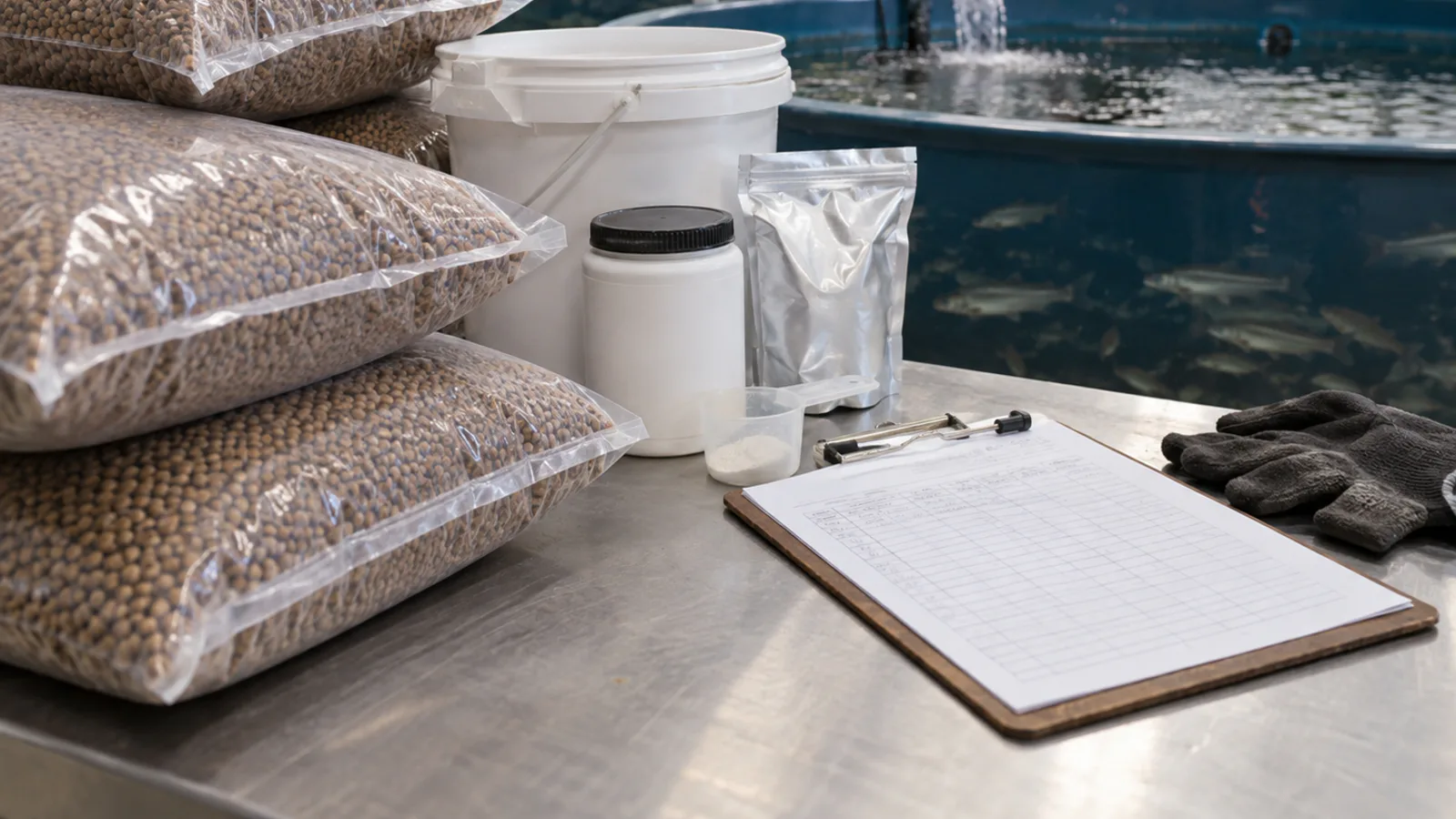
Do not treat compost tea as a routine additive to an aquaponics water loop. Compost tea is a liquid made by soaking or extracting compost or other organic materials in water. In soil production it is often discussed as an amendment. In aquaponics, however, anything added to the shared water can reach fish, biofilter organisms, pumps, filters, roots and edible crops. The potential benefits are uncertain, while unmanaged solids, oxygen demand, microbial contamination and food-safety concerns are real operating risks.
The practical answer is therefore conditional: a grower may evaluate a controlled, well-documented application only after assessing the ingredient source, application route, crop, fish welfare, food-safety plan and local requirements. It is generally safer to keep unverified compost tea out of the recirculating fish water and to avoid treating it as a replacement for balanced system design, feed control or water testing.
UMass Amherst defines agricultural or compost tea as a liquid made from soaking compost or manure in water and discusses it within food-safety management of soil amendments. Read its food-safety overview. This matters because a material can be useful in a soil bed yet unsuitable for a recirculating food-and-fish system.
The short answer
For a coupled aquaponics system, do not pour homemade compost tea into the fish tank, sump or return line simply because it is described as natural, microbial or organic. First ask:
- What exactly is in it—finished plant compost, manure, molasses, inoculants or unknown material?
- Has it been made and stored in a way that avoids pathogen and oxygen-depletion risks?
- Will it contact edible leaves, roots or the recirculating fish water?
- Can the system’s solids removal and biofilter handle the added organic load?
- Does the food-safety plan, customer specification or local regulation allow that use?
If the answer is unclear, do not dose the system. Maintain fish water through feed control, solids removal, aeration, biofiltration and measured water-quality adjustments. For the underlying biological process, see What Role Do Bacteria Play in an Aquaponics System?.
Why compost tea behaves differently in aquaponics
It adds more than “beneficial microbes”
Compost tea can contain dissolved organic matter, fine particles, microorganisms and nutrients. The composition varies with feedstock, water, brewing time, temperature, aeration, additives and storage. That variability is exactly why it should not be treated like a standardized water conditioner. A system operator may be unable to know its microbial profile or oxygen demand from color, smell or a supplier’s marketing claim.
The loop exposes fish and filtration equipment
In a shared loop, material added upstream does not stay in one plant pot. Fine solids can load a screen, settling unit, media bed, pump intake or NFT channel. Organic loading can increase biological oxygen demand, contribute to low-oxygen zones and complicate ammonia/nitrite diagnosis. A stressed fish population cannot tell an operator whether a problem came from tea, feed, a blocked filter, warm water or an aeration fault; the new addition makes troubleshooting harder.
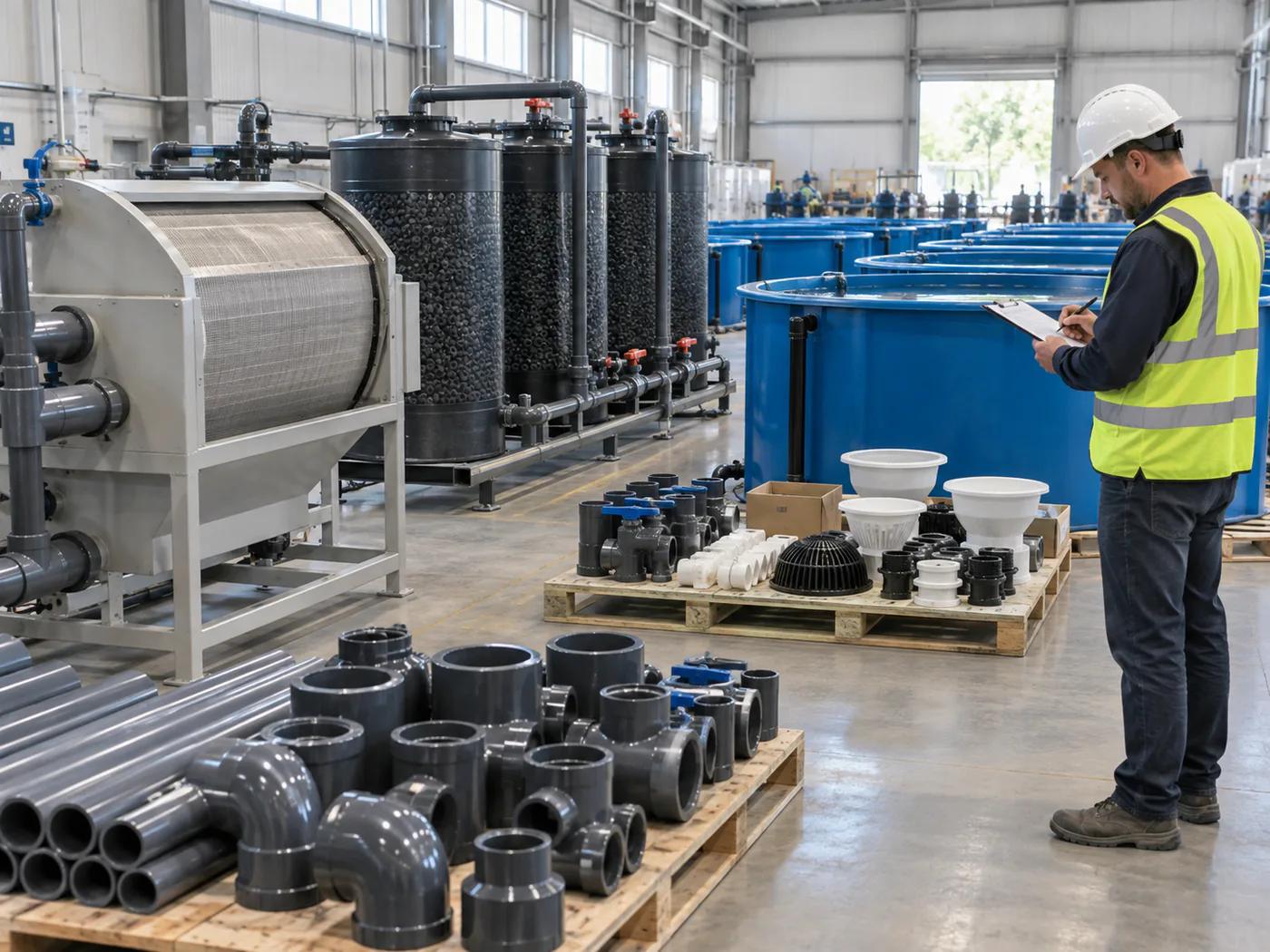
Produce-safety risk must be assessed separately
Edible leaves and herbs may be harvested and eaten raw. The more an amendment can contact produce or circulate through the crop zone, the more carefully the farm must manage source material, application method, timing, sanitation and harvest practice. Penn State Extension includes agricultural tea in its explanation of soil amendments under food-safety management. See its FSMA soil-amendment guide. The exact compliance obligation depends on location and operation, but the risk-management principle is universal: do not assume a compost-derived liquid is harmless because it is marketed for gardening.
Three application routes—and their different risks
1. Adding it to fish-loop water: highest caution
This is the most consequential route. It can affect fish, bacteria, filters and plants at once. Do not use raw manure-based material, unverified compost, spoiled liquid or products with undisclosed ingredients. Do not dose a commercial loop during commissioning, high temperatures, a water-quality event, a power-risk period or just before harvest. If a qualified team decides to test a documented product, run a small isolated trial rather than changing the entire production loop.
2. Foliar application: separate food-safety question
Spraying leaves may avoid direct fish-water exposure, but it may create direct produce-contact risk. The source, sanitation, crop type, harvest interval and customer requirements must be reviewed. Avoid broad claims that a tea is “safe for edibles” without evidence relevant to the actual material and use.
3. Use outside the aquaponics loop: usually easier to control
Applying a documented material to non-aquaponic landscape plants or a separate soil test bed keeps it outside the fish water and crop-water loop. That does not eliminate food-safety responsibilities, but it separates the experiment from essential fish life-support and makes observations more interpretable.
What to do instead when plants look underfed
Do not use compost tea as a quick response to pale leaves, slow growth or a weak crop plan. First verify the basics:
1. Confirm the crop, light, temperature and root-zone conditions fit the system.
2. Test the water and review trends, not one isolated reading.
3. Check feed input, fish biomass, solids removal, circulation and aeration.
4. Inspect roots, channels, raft surfaces and filters for blockages or low-flow areas.
5. Compare planting density and harvest schedule with nutrient production.
In many cases the fix is operational: a blocked filter, insufficient plant space, poor circulation, an immature biofilter or an unsuitable crop. The step-by-step controls in How to Maintain an Aquaponics System are a safer starting point than adding a biologically variable product.
If you still want to evaluate a product: a responsible trial protocol
This is not a blanket recommendation to use compost tea. It is a way to prevent an informal experiment from becoming a farm-wide incident.
Define a narrow question
Write a testable aim, such as: “Does this documented, non-manure product affect basil growth when applied only outside the fish loop?” Avoid vague objectives such as “make the system healthier.” Set a stop condition before starting—for example, odor, abnormal fish behavior, reduced dissolved oxygen, filter loading or an unacceptable water-test change.
Keep a control and isolate the test
Use separate containers or a non-production area where practical. Keep a comparable untreated group. Do not test on every crop zone or in the fish tank. Isolation protects the crop and lets the team distinguish an effect from normal variation in temperature, light or harvest timing.
Document the material and the route
Record manufacturer, lot, stated ingredients, source-water quality, preparation, storage time, dilution, date, crop, application route and responsible operator. Take photographs and retain labels. If details are unavailable, treat that as a reason not to use the material.
Monitor fish and water, not plants alone
Observe fish appetite, swimming and gill behavior; check flow, aeration and filter condition; record pH, temperature, ammonia and nitrite as appropriate to the system’s normal protocol. Stop the trial and seek qualified local advice if fish show distress or water quality moves outside the project’s safe operating range.
Review food handling before harvest
Do not assume washing corrects an unsuitable input decision. Confirm the farm’s food-safety plan, buyer specifications and local guidance before marketing treated produce. Keep trial crops separate if the evidence is incomplete.
> CTA — Need an aquaponics system with controllable water treatment? Share your fish species, crops, intended growing method and production target. We can help define tanks, solids removal, biofiltration and test points for a system your team can operate and inspect. Get a Quote.
What buyers should request from a supplier
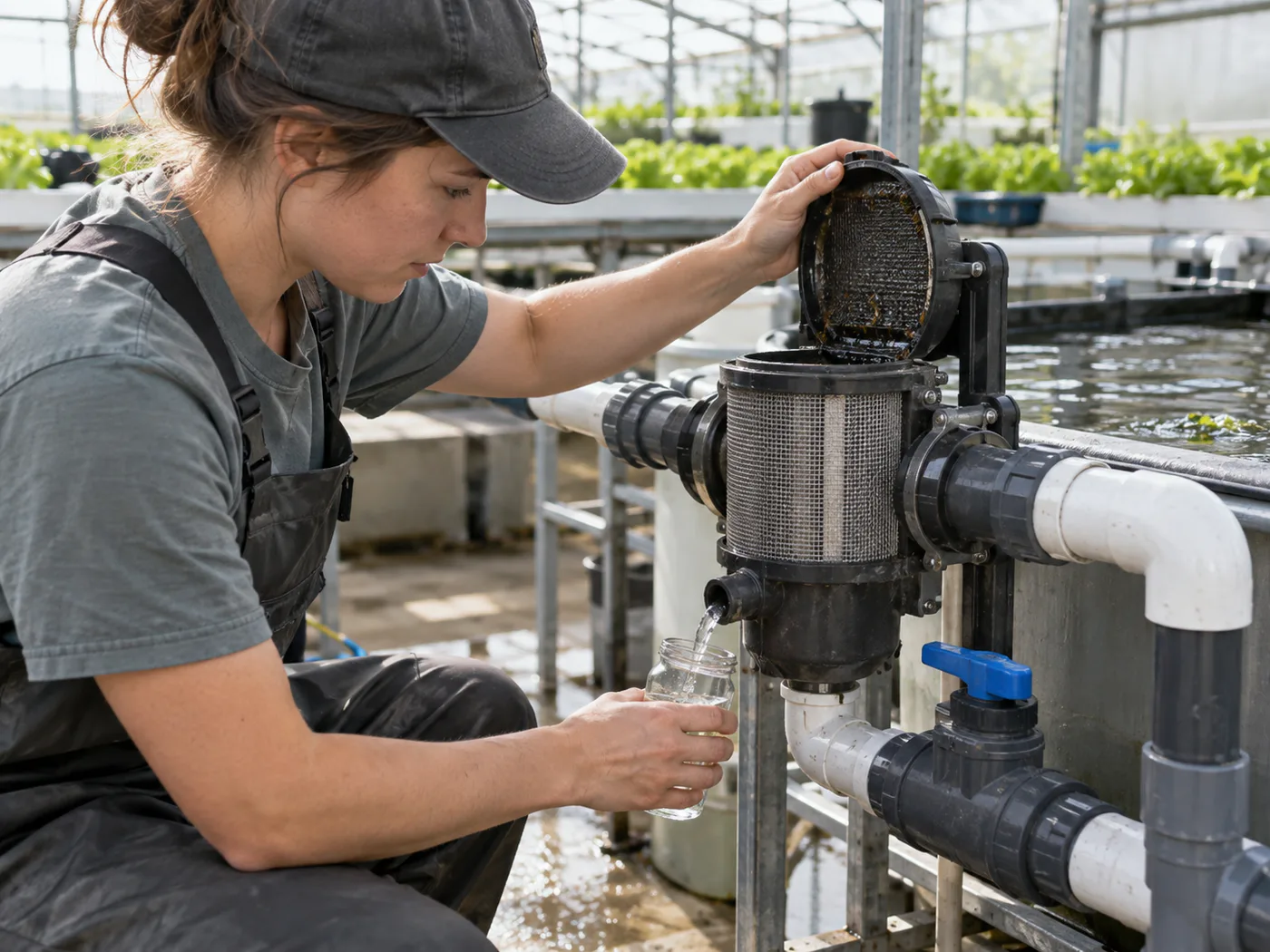
For a project intended to handle diverse crops or input trials, ask for a process-flow drawing that identifies fish tanks, solids removal, biofilter, grow zones, sump, drains, sample points and isolation valves. Ask how a grow zone can be isolated for maintenance or testing without interrupting fish aeration and circulation. This is a design question, not an endorsement of dosing products into the loop.
During factory testing, verify valve labels, normal flow direction, pump access, drains and the ability to clean mechanical filtration. During shipment inspection, check that filters, valves, testing ports and fittings listed in the scope are present. At site installation, commission water flow and leak checks before loading fish or experimenting with additives.
Separate plant ambition from system safety
Compost tea is often discussed as if it were a plant input only. In aquaponics, anything introduced to recirculating water may contact fish, filters, biofilm, pumps, roots and edible crop surfaces. That makes the question broader than whether a leaf appears greener after an application. An operator should be able to explain the product ingredients, production method, intended application route, microbial claims, storage conditions and reason for use before it enters a system.
If the goal is to respond to a crop symptom, first verify that the issue is actually a nutrient or root-zone problem. Check recent water tests, pH trend, temperature, dissolved oxygen, feed input, solids removal, light schedule, plant age and whether the symptom is systemic or isolated to one module. A new additive may obscure a physical cause such as poor flow, blocked distribution, excessive humidity or a crop planted beyond the system’s nutrient capacity.
If a trial is unavoidable, keep it outside the food loop
The lower-risk approach is a controlled, non-recirculating trial that does not expose production fish or edible leaves. Define a small test area, a comparison area, starting condition, observation period and stop criteria. Do not use a trial to justify a broad claim after a few days of visual change. Record the exact product lot, dilution, route, date, plant response and any adverse observation.
For a commercial, school or community system, document who approved the trial and who is responsible for monitoring it. If produce is intended for sale or distribution, review applicable local food-safety, certification and customer requirements before introducing an unverified biological material. “Natural” does not automatically mean suitable for a recirculating food-production system.
Protect equipment and traceability
Organic suspensions can create practical issues even when their marketing language sounds beneficial. They may increase solids load, coat screens, clog emitters, alter microbial activity or make root and water observations harder to interpret. If the system already has a known filtration or oxygen limitation, adding another variable is rarely a good troubleshooting step.
Maintain a simple input log: product, supplier, ingredient information, amount, route, date, purpose and outcome. This record helps a future operator distinguish a normal seasonal change from a response to an addition. It also supports transparent conversations with customers, inspectors and suppliers. In most cases, fixing water path, crop density, filtration and environmental control produces a clearer and safer result than treating compost tea as a routine aquaponics additive.
FAQ
Can compost tea kill fish in aquaponics?
An untested organic liquid can create risk through oxygen demand, fine solids, unknown ingredients or microbial contamination. The exact outcome depends on the material and system, which is why it should not be introduced casually into fish-loop water.
Is aerated compost tea automatically safe?
No. Aeration during preparation does not prove ingredient safety, standardized microbial content, food-safety suitability or compatibility with fish and filtration equipment.
Can I use worm-casting tea instead?
Treat it with the same caution. “Worm casting” describes an input source, not a guarantee of safe composition or compliance for a recirculating food-production system.
Does compost tea replace aquaponics bacteria?
No. A functioning biofilter relies on stable nitrifying communities established on oxygenated wetted surfaces. A variable tea is not a substitute for cycling, appropriate loading, aeration and filtration.
Conclusion
Compost tea may sound compatible with aquaponics because both involve biology, but the two systems have very different risk boundaries. In aquaponics, the safest default is to protect the shared loop: control feed and solids, maintain oxygen and biofiltration, test water, and isolate any experimental product away from fish and production crops until its source, route and food-safety implications are understood.
CTA — Want a clearer filtration and commissioning scope for your project? Send Your Requirements with your site dimensions, fish plan, crops and expected capacity. We will help turn them into a practical equipment discussion.

