
Introduction
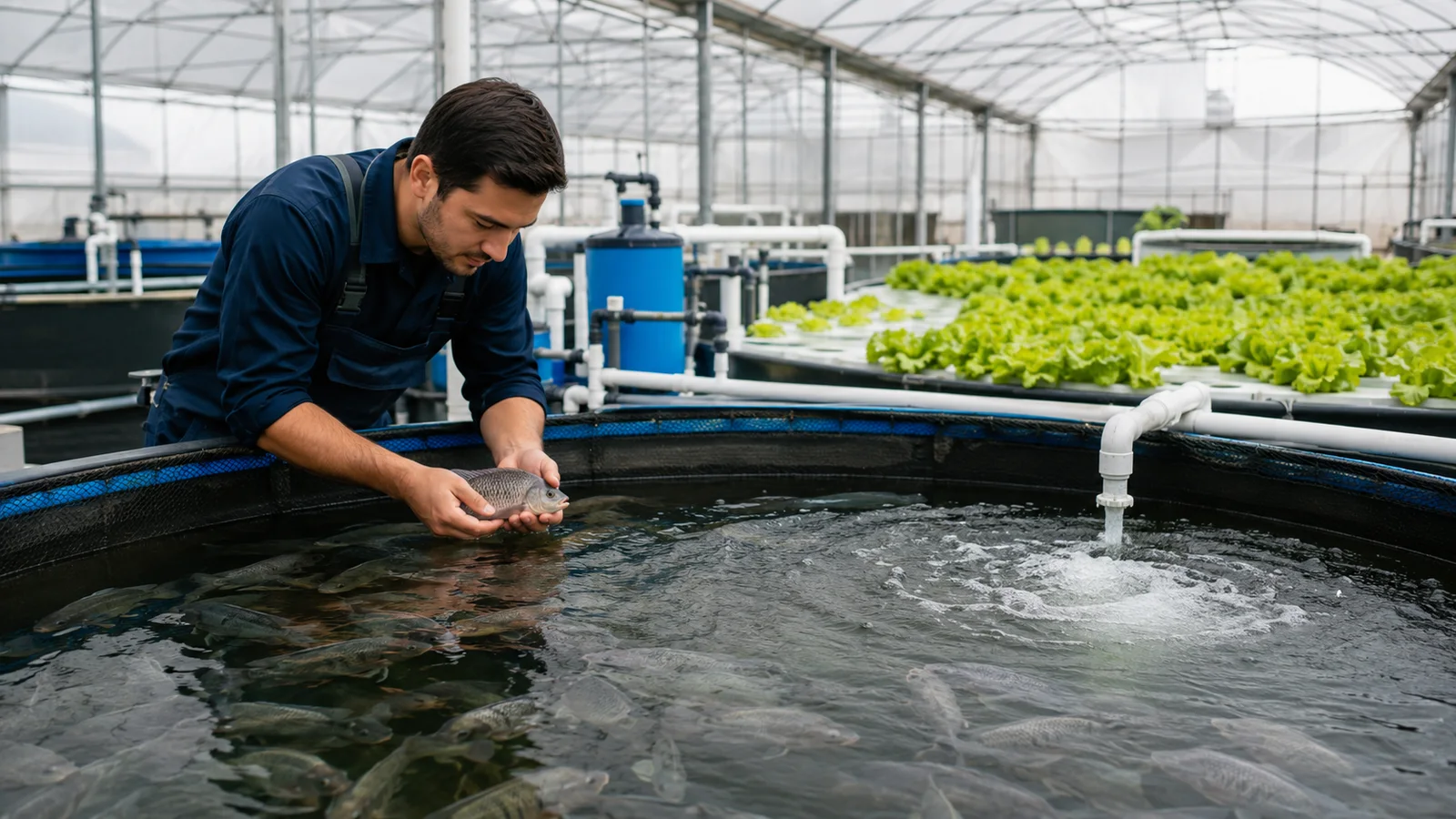
Good fish for aquaponics are the species that match your water temperature, local rules, production goal, system capacity and day-to-day management capability. Tilapia is widely discussed because it grows well in warm water, but it is not automatically the best choice for every country, climate or project. A cold-water site, an education project, a restaurant display and a commercial farm can all require different answers.
The most useful way to select fish is to start with the operating conditions, not a list of fashionable species. The fish must live within a suitable temperature and oxygen range, be legal to source and keep, accept the feed and handling routine, and create a nutrient load that the filters and crops can manage. The team must also decide whether fish are being raised for food, an ornamental market, education, research or simply to support plant production.
This guide helps farms, distributors, schools and project planners compare the common choices without treating any fish as a guaranteed outcome. For a refresher on the shared water loop, read How Does an Aquaponics System Work?.
Start With the Job the Fish Must Do
In aquaponics, fish are not decorative inventory. Feed enters the fish side of the system, and fish metabolism creates the dissolved and solid waste that drives the nutrient cycle. That means species choice influences water temperature, feed schedule, biomass growth, oxygen demand, handling procedures, filtration load and the amount of crop area needed to use the nutrients.
Before comparing species, write down five project facts:
1. Purpose: food fish, ornamental fish, teaching, research or a mixed model.
2. Water temperature: expected low and high values across every season, not only the best month.
3. Market and permits: who can legally buy the fish, and what transport, food-processing or aquaculture rules apply.
4. System type: media bed, DWC, NFT, coupled or decoupled; each has different solids and operational tolerance.
5. Operator capacity: who feeds, observes, tests water, records mortality and responds during a power interruption.
Texas A&M AgriLife Extension’s fish-species selection guide is useful because it compares species through water quality, production time, health and market considerations rather than asking only which fish grows fastest.
Common Fish Choices for Aquaponics
Tilapia: common, warm-water and not universally available
Tilapia is common in aquaponics demonstrations for understandable reasons. It can perform well in warm systems, accepts formulated feed and has established food-market recognition in many regions. It is often practical for controlled warm-water projects with reliable heating, aeration and legal supply channels.
However, “tilapia” is not a universal recommendation. Temperature requirements can make heating costly in a cool winter climate. Some places restrict culture, transport or release because of invasive-species concerns. Food-market acceptance, processing access and the legal status of particular strains also vary. A quotation should therefore describe the tank and temperature assumptions, not merely say that a system is “for tilapia.”
Catfish and other warm-water food fish
Channel catfish and related warm-water species may suit markets where the species is legal, familiar and supported by hatcheries or processors. They can be relevant for projects with an established food-fish plan, but they still need suitable temperature, oxygen, tank design and handling practices. Large final size affects harvest timing, netting, grading and the amount of biomass the system can carry.
For a commercial buyer, ask where fingerlings will come from, what health documentation is available, how harvest fish will be sold, and whether the receiving team can manage the intended size. “Available locally” is not enough if the supplier cannot provide a consistent, lawful and healthy batch.
Trout and other cool-water species
Trout can be attractive where water remains cool and oxygen-rich, and where there is a legal market and aquaculture support. They are not a shortcut for a hot greenhouse. Warm water reduces the margin for error, especially when oxygen demand rises, pumps stop or plant-house temperatures increase.
If a project proposes trout, request a seasonal water-temperature record, dissolved-oxygen plan, shading or cooling approach, emergency aeration plan and fish-health support pathway. These details matter more than a stock photograph of trout in a tank.
Carp, bluegill, hybrid striped bass and locally established species
Other food fish may be appropriate where they fit local climate, regulations, hatchery supply and buyer preferences. Carp is familiar in some markets; bluegill, hybrid striped bass and other regional species may be considered in appropriate systems. Each has different growth, handling, feed and market characteristics, so species names should never be treated as interchangeable.
Kentucky State University’s Aquaponics Production Manual compares suitable fish species against factors such as temperature, water quality, feed and market conditions. It reinforces a practical point: the chosen fish should support the project’s business or production purpose, not be selected only because it is easy to find in an online example.
Koi and goldfish for ornamental or educational projects
Ornamental fish may be appropriate for a classroom, visitor centre, landscape feature or learning system where food-fish production is not the goal. They can make observation and education easier, but the system still requires biofiltration, aeration, water testing and responsible animal care. An ornamental project also needs a plan for fish welfare during school holidays, power interruptions and seasonal temperature changes.
Do not market edible crops as a food-production business merely because ornamental fish and plants share water. The food-safety, marketing and regulatory expectations may be different.
The Selection Criteria That Matter More Than a Species List
Temperature compatibility
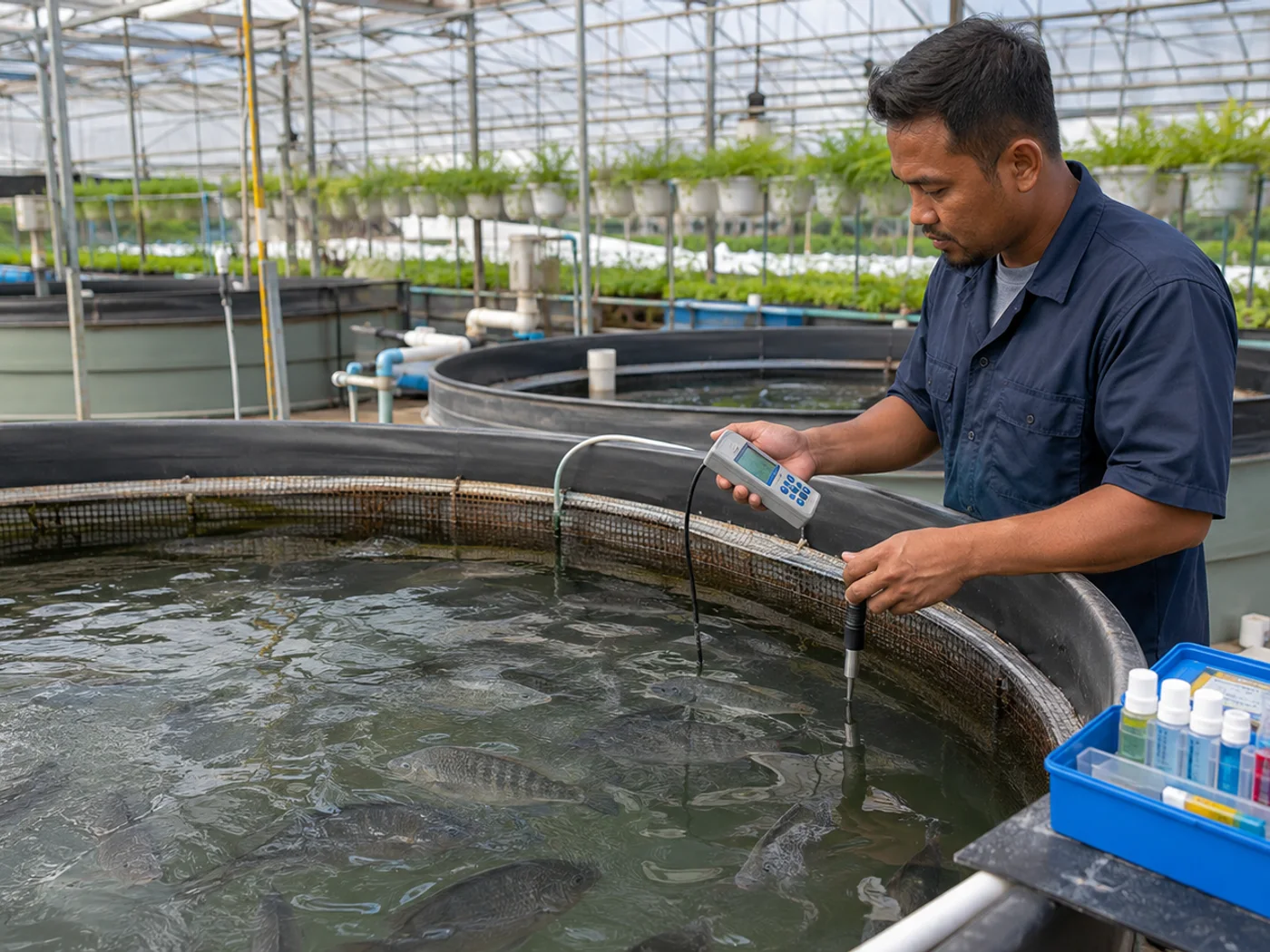
Fish, nitrifying bacteria and plants share a water loop in a coupled design. A temperature that is acceptable for one organism may not be ideal for another. Map the water temperature the site can realistically maintain, then screen fish choices against that range. Include the effect of direct sun, greenhouse heat, indoor equipment, cold nights, make-up water and seasonal power costs.
At factory testing, a pump or air blower can be checked for operation, but the factory cannot validate the destination climate. Temperature control, insulation, ventilation, chiller capacity and emergency response must be reviewed before equipment is shipped.
Oxygen and flow margin
Fish selection affects oxygen demand and the consequences of a fault. Aeration equipment should be specified with the fish biomass, water depth, tank geometry and emergency plan in mind. A system that works when lightly stocked can become vulnerable as fish grow.
Ask whether air equipment has separate circuits, how flow is observed, which alarms are included and what backup method is expected at the site. These questions are especially important for warm-water systems and any project that operates overnight without a trained person nearby.
Legal sourcing, movement and harvest
Check local rules before selecting fish, ordering equipment or promising a crop plan. Rules can cover species import, hatchery certification, movement between regions, food sale, slaughter, wastewater and animal-health reporting. A supplier can help explain the equipment scope, but local legal advice and aquaculture authorities determine what is permitted.
For export projects, include the country, intended fish species and application in the inquiry. That allows the equipment proposal to avoid assumptions about temperature, tank size or species availability.
Market fit and harvest logistics
Commercial aquaponics has two outputs to plan: plants and fish. A fish species may be biologically workable but commercially weak if there is no buyer, permitted processor, harvest labour or cold-chain route. The market should be validated before fish are stocked, not after harvest weight is reached.
Document the intended sale form—live, whole, fillet, ornamental or educational stock—and the likely harvest size. Then plan the tank access, grading area, netting, isolation capacity and cleaning procedure. This protects both the fish operation and the plant schedule.
Match the Fish to the System, Not the Other Way Around
Small learning and school systems
For schools, the best choice is often a legal, locally obtainable species that fits the available temperature range and can be cared for every day, including weekends and holidays. A simple, observable system with conservative biomass is more useful than a large system with ambitious harvest claims. The learning objective should include water testing, recordkeeping, responsibility and animal welfare.
Greenhouse leafy-green production
Leafy-green projects often benefit from predictable water conditions, reliable solids control and staggered crop planting. Fish should be selected only after the site team has defined temperature management, plant area, feed plan and harvesting rhythm. If the goal is steady production, plan fish cohorts and crop cycles so nutrient demand does not rise and fall sharply.
Commercial food production
A commercial project needs a market-first decision. Confirm fish buyers, legal route to market, processing requirements, feed supply, hatchery reliability, water and energy costs, trained labour and fault-response procedures. A commercial proposal should specify the expected operating envelope, not imply profitability from fish species alone.
Demonstration, hospitality and community projects
Visibility and safe public access may be more important than maximum biomass. Choose species and tank arrangements that support observation, routine maintenance and responsible welfare. Keep electrical components protected, make pipework accessible and agree the daily care responsibility before handover.
When a Fish Is a Poor Match for the Project
Choosing against the site is one of the most expensive avoidable mistakes in aquaponics. A species may be widely recommended online yet be unsuitable if it needs water temperatures that the project cannot maintain, has no legal source, or requires a level of fish-health support that is not available locally. The equipment proposal should be revised when the fish plan changes; a different temperature range or final biomass can alter tanks, aeration, insulation, filtration and emergency-power requirements.
Be especially cautious when any of these conditions apply:
- The site has frequent power interruptions but no practical backup aeration plan.
- Seasonal temperatures fall outside the proposed species’ normal management range.
- The project has no named person responsible for weekends, holidays and alarm calls.
- Fish are selected before checking import, movement, food-sale or invasive-species rules.
- A food-fish market is assumed but no buyer, processor or permitted harvest route has been identified.
- The proposal relies on heavy stocking to make the plant section appear productive from the first week.
In these situations, a smaller initial stock, a different species, more site preparation or a phased pilot may be the more responsible answer. A credible supplier should be able to identify what is included in the equipment scope and what remains a local operational responsibility.
Build a Species Decision Matrix Before You Buy
A simple decision matrix keeps a team from selecting fish only by familiarity. Score each candidate species against temperature fit, legal status, hatchery access, feed availability, oxygen sensitivity, projected harvest size, market route, staff experience and compatibility with the selected crop system. The highest-scoring fish is not necessarily the one with the fastest biological growth; it is the one with the least unresolved risk for the project.
For example, a warm-water food fish may score strongly on local market demand but weakly on winter heating cost. An ornamental species may score strongly for visitor engagement but not meet a farm’s food-production objective. Write down the trade-off and decide which factor is non-negotiable. This record is valuable when the project changes hands, when equipment is tendered or when a buyer compares suppliers.
The same matrix should be used at commissioning. Confirm what fish actually arrived, their approximate size, the acclimation method, initial feed and target water conditions. Keep these details with the tank layout, process-flow drawing and water-testing log. Those records make later troubleshooting more evidence-based than relying on memory.
A Practical Fish-Selection Checklist for Buyers
Before asking for a quotation, send the following information:
- Destination country and local climate profile
- Indoor, greenhouse or outdoor installation
- Intended fish purpose and likely species
- Expected water-temperature range
- Plant crops and growing method
- Tank volume, plant area or target production scale
- Grid reliability and backup-power approach
- Local hatchery, processing and market information
- Required voltage, phase and frequency
- Training, commissioning and spare-parts expectations
This information lets a supplier prepare an equipment discussion around actual requirements. It also makes shipment inspection more useful: the packing list, tank fittings, aeration manifold, filter configuration and control components can be checked against an agreed scope before dispatch.
Mid-article CTA — Discuss Fish and System Compatibility
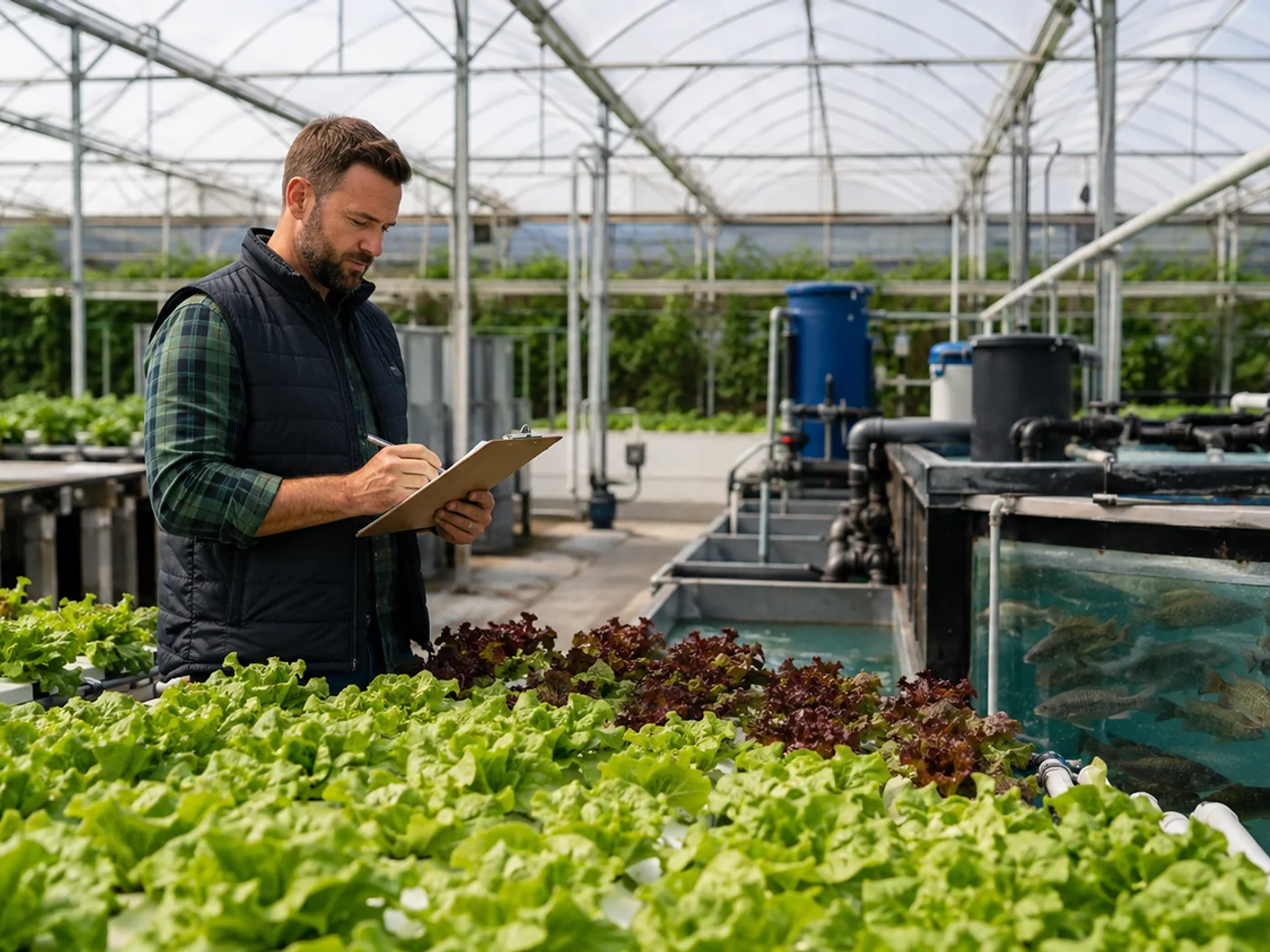
Planning an aquaponics project? Send YAFAN your location, expected water temperature, intended fish and crop plan. We can help you prepare a clearer equipment inquiry before a quotation is issued.
FAQ
Is tilapia always the best fish for aquaponics?
No. Tilapia may suit a warm, legal and well-managed system, but it may not suit a cold climate, restricted jurisdiction or project without a food-fish market. Select for the site and operating plan.
Can I use multiple fish species in one aquaponics system?
Mixing species adds management complexity because temperature, behaviour, feed and health needs can differ. It should be a deliberate, professionally supported decision, not a way to make a display tank look more interesting.
Are ornamental fish suitable for edible plants?
They can support a learning or ornamental system, but the project should not make food-production or certification claims without considering local rules, water quality, handling and food-safety requirements.
What should I ask a fish supplier?
Ask about legal movement, health status, size, acclimation conditions, feed, temperature history, availability schedule and transport. Confirm that the planned system can support the fish as they grow.
Should fish be chosen before the equipment is ordered?
Yes. The intended species and operating temperature materially affect tank arrangement, aeration, filtration, backup planning and climate-control requirements.
Conclusion
The best aquaponics fish is not a universal species; it is the species that fits the site, regulations, production objective, market and operator capability. Tilapia, catfish, trout, carp, hybrid species and ornamental fish can all have a role, but only within an appropriately designed and responsibly managed system.
Once the fish decision is narrowed, the next step is to size biomass and plant area conservatively rather than choosing a number of fish by tank volume alone. Continue with How Many Fish Should You Put in an Aquaponics System?.
Final CTA — Send Your Fish and Crop Requirements
Contact YAFAN with your destination, application, fish plan, crop targets and available space for a preliminary equipment discussion.

